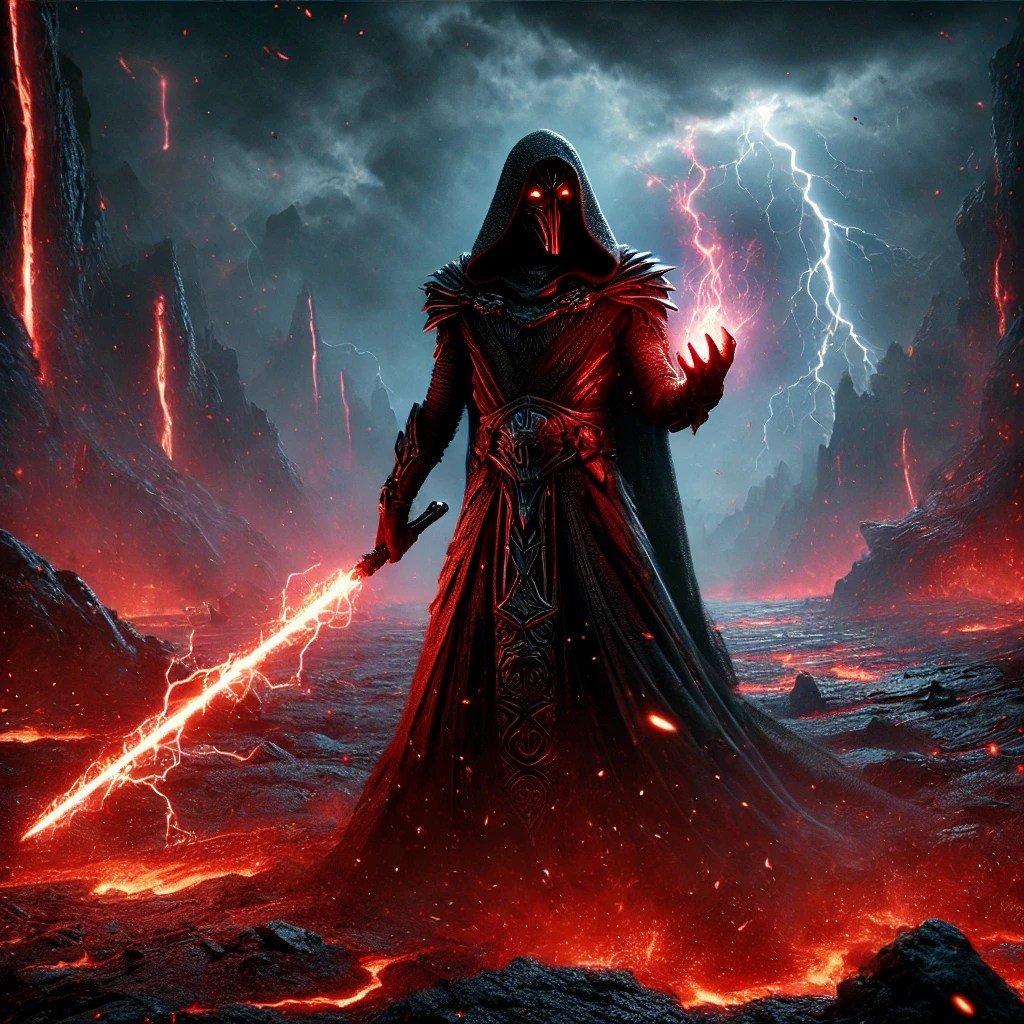
The chilling pronouncement "Darth Vader" didn't just give Anakin Skywalker a new identity; it rebranded him, reshaping his very soul in the eyes of the galaxy. Diving into the Official Sith Name Lore & Origins reveals far more than mere monikers; these names are declarations of power, philosophy, and terrifying intent. They are carefully chosen, often steeped in darkness, and serve as a profound rite of passage for those who embrace the dark side.
At a Glance: The Essence of a Sith Name
- More than a Name, a Rank: The "Darth" title signifies a high rank, akin to a Jedi Master, earned through dark deeds and commitment.
- A New Beginning: Taking a Sith name represents shedding an old life and fully embracing the dark side of the Force.
- Intimidation Factor: Sith names are deliberately chosen for their negative connotations, designed to strike fear and project power.
- Deep Roots: The origins of the "Darth" title stretch back to ancient times, with theories linking it to Rakatan language and early Sith Lords.
- Not Universal: While iconic, not all dark side users earn the "Darth" title; it’s a mark of a "true Sith" during certain eras.
Unmasking "Darth": Title, Rank, and Terrifying Transformation
When a dark side user truly commits to the Sith, they often shed their birth name like an old skin, taking on a new identity marked by the prefix "Darth." This isn't a casual rebranding; it's a profound transformation, signifying a complete rebirth into the dark side. Think of it as a dark baptism, an honorific equivalent to becoming a Jedi Master.
This title isn't simply handed out. It's earned through a rigorous, often brutal, Rite of Passage. Whether it's the cold-blooded elimination of a rival, the subjugation of one's own pain through torture, or a monumental act of dark side devotion, the "Darth" title symbolizes ultimate allegiance. It's a badge of power, a statement to the galaxy that this individual is a force to be reckoned with, someone who has triumphed over their former self and fully embraced the darkness within. It’s also incredibly effective at striking fear into opponents, a core tenet of Sith philosophy.
The Ancestral Whispers: Unraveling the Origin of "Darth"
The exact linguistic origin of "Darth" remains shrouded in the mists of ancient history, much like many deep secrets of the Force. However, a few compelling theories offer glimpses into its dark genesis:
- The Rakatan Connection: One prominent theory links "Darth" to the ancient Rakata language, specifically the word "Doritha," meaning "Emperor." Given the Rakata's early mastery of the Force and their brutal Infinite Empire, it's plausible that the Sith, who later rose to prominence, adapted this powerful term. Another Rakatan-based idea suggests a combination of "Dar" (triumph) and "Tah" (death), creating "triumph over death" – a concept deeply resonant with the Sith's eternal quest for immortality and absolute power.
- Ancient Sith Lineage: Historical evidence suggests the term "Darth" was already in use by highly influential Sith Lords as far back as 50,000 BBY. Figures like Naga Sadow, an ancient Sith Lord of considerable power, are referenced in texts from that era with the "Darth" title, indicating its deep roots within the earliest iterations of the Sith Order. This suggests it wasn't a sudden invention but a tradition established in the very foundation of their dark practices.
Whether Rakatan, Ancient Sith, or a blend of both, the "Darth" title carries the weight of millennia of dark side history, making it far more than just a simple prefix.
A Name Forged in Darkness: How Sith Names Are Chosen
Beyond the "Darth" prefix, the chosen name itself is crucial. Sith Lords don't pick names at random; they're carefully selected to convey a specific aspect of their malevolent philosophy, often carrying explicitly negative connotations. The goal is clear: intimidation, a projection of their dark power, and a reflection of their true nature. Many of these names even play on real-life terms, making their sinister implications immediately clear.
Consider these iconic examples:
- Darth Bane: The very word "bane" conjures images of distress, destruction, and a curse. It's synonymous with poison or a cause of ruin, perfectly embodying the Sith Lord who single-handedly brought down the old Sith Order and established the Rule of Two, fundamentally reshaping the galaxy's dark side balance.
- Darth Revan: This name strikes a chord with "revanche," the French word for revenge. Given Revan's journey from Jedi hero to Sith Lord and back, his initial embrace of the name likely symbolized his vengeance against perceived wrongs or his own internal conflicts.
- Darth Plagueis: The association with "plague" is undeniable. As a Sith Lord obsessed with manipulating life and death, particularly the ability to create life through the Force, his name highlights his ambition to spread his influence like a virulent disease, twisting the very fabric of existence.
- Darth Sidious: This name brilliantly evokes "insidious," meaning seductive, treacherous, and subtly harmful. It perfectly encapsulates Sheev Palpatine's masterful manipulation, his ability to work from the shadows, corrupting institutions and individuals from within, ultimately bringing down the Republic without a single direct blow until the opportune moment.
- Darth Tyranus (Count Dooku): "Tyranus" is a clear play on "tyrant," fitting for a man who cast off his Jedi identity to lead the Separatist Alliance, aiming to impose his will and control over vast swathes of the galaxy. His name reflects his commanding presence and his desire for absolute rule.
These examples illustrate that a Sith name is a personal brand of terror, a concentrated symbol of their dark purpose.
The Vader Revelation: When the Force Whispers a Name
The transformation of Anakin Skywalker into Darth Vader offers a unique insight into the naming process. When Darth Sidious renames his new apprentice, there's a distinct pause, a moment of profound communion with the dark side. It's implied that Sidious isn't just pulling a name from thin air; he's reaching into the Force itself, listening for a name that resonates with the nascent darkness of his new apprentice. This powerful moment underscores that a Sith name isn't just chosen; it's revealed by the Force, or at least, guided by its dark currents.
Anakin's descent was, of course, fueled by his desperate visions of Padmé dying in childbirth. His desire to save her, twisted by Sidious, became the catalyst for embracing a name that would ultimately define him as a tragic, fearsome figure. Perhaps the name "Vader" itself, with its echoes of "father" (though hotly debated by fans), was a cruel irony, given the path he would follow.
If you're looking to delve deeper into naming conventions across the galaxy, you might find inspiration in Jedi name ideas, which offers a stark contrast to the dark nature of Sith identities. Or, for a different kind of warrior, explore Mandalorian naming traditions.
The Exclusivity of "Darth": Not Every Dark Sider Qualifies
While "Darth" has become synonymous with the Sith, it's crucial to understand that not every dark side user or apprentice earns this prestigious (or infamous) title. The criteria for bestowing "Darth" have evolved, but its exclusivity has largely remained.
During the era of the Rule of Two, established by Darth Bane, the "Darth" title was extremely restrictive. It was reserved for only two individuals: the Master and the Apprentice. This was a deliberate move to prevent internal power struggles and ensure the secrecy and long-term survival of the Sith. In this period, "Darth" wasn't just a prefix; it was the ultimate designation of a "true Sith," a mark of supreme power and commitment within the Order.
This strict rule meant many dark side wielders, even those trained by Sith Lords, never achieved the title. Figures like Asajj Ventress and Savage Opress, powerful and deadly dark side assassins, served Darth Sidious and Count Dooku but were never granted the "Darth" appellation. Their power was undeniable, but they were tools, not true inheritors of the Sith mantle. Darth Plagueis himself even dismissed Darth Venamis's claim to the title as "false," indicating the stringent standards even within the Rule of Two.
In the expanded lore of Star Wars Legends, we see other criteria for earning the "Darth" title. Darth Krayt, for example, would grant the title only after dark side wielders had proven their absolute loyalty, often through a brutal test: killing their own Masters. This further emphasizes the idea that the "Darth" title is not merely given; it is violently seized or earned through ultimate fealty and sacrifice.
This distinction highlights that while many may dabble in the dark side, only a select few are deemed worthy of carrying the weight and terror of an official Sith name.
Crafting Your Own Dark Destiny: Naming Beyond the Canon
For creators venturing into the Star Wars universe, understanding Sith naming conventions is vital. Whether you're designing characters for RPGs, fan fiction, or just for fun, keeping these principles in mind will lend authenticity to your creations.
Here's a quick guide to help you invent compelling Sith names:
- Start with "Darth": This is almost a given for a "true" Sith Lord.
- Embrace Negative Connotations: Think about words that evoke fear, destruction, pain, manipulation, or suffering.
- Examples: Malice, Wrath, Torment, Vorpal, Scourge, Nox, Umbra.
- Reflect Their Philosophy/Powers: Does your Sith specialize in deception? Is their power rooted in immense physical strength?
- Deception: Darth Insidious (already taken!), Darth Veil, Darth Whisper.
- Strength/Destruction: Darth Havoc, Darth Ruin, Darth Colossus.
- Consider Real-World Echoes: Just as "Revan" sounds like "revenge," look for words that subtly hint at darker meanings.
- "Vex" (annoy, irritate), "Rend" (tear apart), "Styx" (river of the dead).
- Keep it Punchy: Most iconic Sith names are short, impactful, and easy to remember.
- Avoid Silly or Overly Complex Names: A Sith name needs to command respect (and fear), not laughter or confusion.
Need a jumpstart for your own dark creation? Our Sith name generator can help you forge a moniker worthy of the dark side. You might also find inspiration in how other factions handle their identities, such as Twi'lek naming conventions or the structured approach to a Chiss naming structure. For those who hunt rather than rule, consider exploring how one might craft a bounty hunter identity.
Frequently Asked Questions About Sith Names
Is "Darth" a first name or a title?
"Darth" is strictly a title, a high rank within the Sith Order, signifying a true master of the dark side. It is always used as a prefix to their chosen Sith name, e.g., Darth Maul, Darth Sidious.
Can a female Sith be a "Darth"?
Absolutely. The "Darth" title is gender-neutral and is bestowed upon any individual, regardless of gender, who achieves the rank and commitment required by the Sith Order. Legends and canonical examples include Darth Traya, Darth Zannah, and Darth Talon.
Do all dark side users get the "Darth" title?
No. During the Rule of Two, only the Master and Apprentice held the title. Even outside of that specific era, many dark side users or apprentices, like Asajj Ventress or Savage Opress, never earned the "Darth" title, often serving as powerful agents but not full Sith Lords.
What is the purpose of changing your name to a Sith name?
The name change is a symbolic and literal shedding of one's old life, personality, and allegiances. It signifies a complete rebirth into the dark side, an embrace of new power, and an unyielding commitment to the Sith Order and its principles of chaos and domination. It also serves to intimidate enemies.
Are there any Sith without the "Darth" title?
Yes. Before the establishment of the "Darth" title or during periods when its usage was restricted, many powerful dark side users existed within the Sith Order who did not bear the "Darth" prefix. Even in modern canon, lesser dark side users or apprentices might not be granted the title if they aren't considered full Sith Lords under specific rules (like the Rule of Two).
The Lingering Echoes of Dark Nomenclature
The lore surrounding official Sith names isn't just a fascinating corner of the Star Wars universe; it's a testament to the meticulous world-building that makes the saga so compelling. These names are not arbitrary; they are meticulously crafted symbols of power, fear, and ultimate commitment to the dark side. From the ancient, whispered origins of "Darth" to the chillingly appropriate chosen names like Bane and Sidious, every element reinforces the terrifying philosophy of the Sith.
Understanding this dark nomenclature deepens our appreciation for characters like Darth Vader and Darth Maul, recognizing that their names are extensions of their very being. It's a journey into the psychology of villainy, where even a title can be wielded as a weapon. So, next time you hear a Sith Lord's name, remember the layers of lore and dark intention woven into every syllable – a legacy of fear that continues to resonate across the galaxy. And if you're curious about the nomenclature of other elements in Star Wars, such as the vessels that traverse the galaxy, you can explore the conventions of Star Wars ship names.